How to Choose the Right Racing Suit for Your Discipline
Complete Buyer's Guide to SFI Certified Racewear
Choosing the right racing suit is one of the most important decisions any driver can make. Whether you're competing on a professional circuit or racing at local events, your suit is your first line of defense against heat, fire, and extreme track conditions.
But not all racing suits are the same — and the best option depends heavily on your racing discipline, safety requirements, and performance needs.
Why the Right Racing Suit Matters
A racing suit does far more than just identify you as a driver. It provides:
- Fire protection during high-risk situations
- Heat insulation from engines and track environments
- Breathability for endurance and comfort
- Mobility for steering precision and pedal control
- Compliance with racing regulations
Choosing the wrong suit can result in discomfort, restricted movement, overheating, or non-compliance with racing rules.
Step 1 — Match Your Suit to Your Racing Discipline
Stock Car & Oval Track Racing
Common in NASCAR-style series, drivers experience long race durations, high cockpit temperatures, and extended exposure to fuel systems.
- Multi-layer fire protection (SFI 3.2A/5 or higher)
- Lightweight but durable outer shell
- Moisture-wicking inner liner
- Flexible shoulder panels for steering comfort
Open-Wheel Racing
Demands maximum mobility, aerodynamic fit, and advanced heat protection due to tight cockpit design.
- Ultra-lightweight construction
- Slim ergonomic fit
- High breathability panels
- Premium Nomex® multi-layer protection
Drag Racing
High-speed acceleration and intense fire risk define drag racing categories. Fire protection is the top priority.
- Higher SFI rating (3.2A/15 or more for high horsepower classes)
- Heavy-duty fire insulation
- Reinforced seams and closures
- Maximum thermal barrier protection
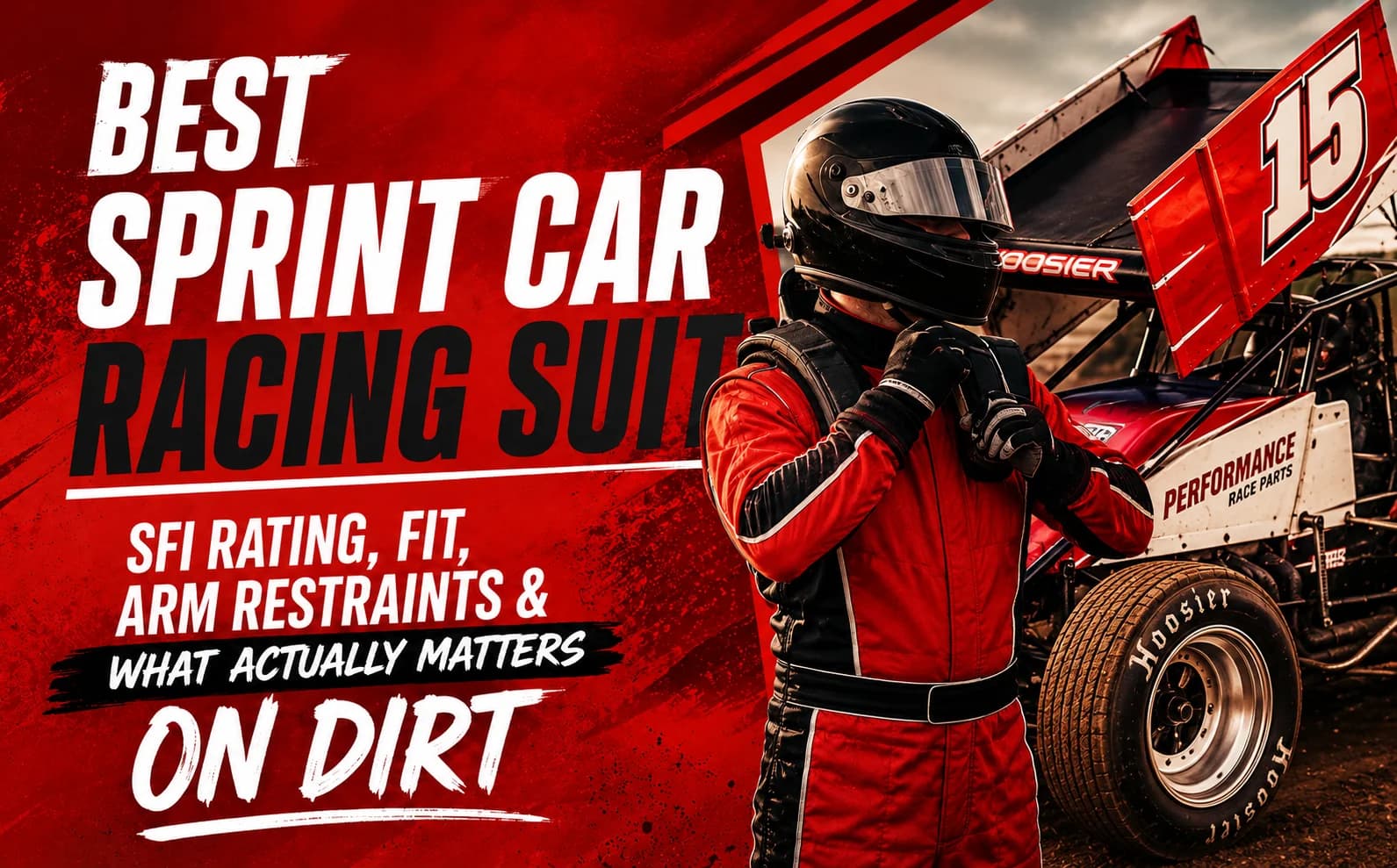
Sprint Cars & Dirt Track Racing
Extreme vibration, debris, and heat exposure. Durability and mobility matter just as much as fire resistance.
- Abrasion-resistant outer materials
- Ventilated panels for dust and heat
- Flexible stretch zones
- Strong cuffs and closures
Sports Car & Endurance Racing
Drivers must perform for hours at a time. Endurance racing suits focus heavily on fatigue reduction.
- Advanced moisture management
- Lightweight multi-layer design
- Cooling compatibility
- Comfortable inner lining for long wear
Step 2 — Understand SFI Ratings
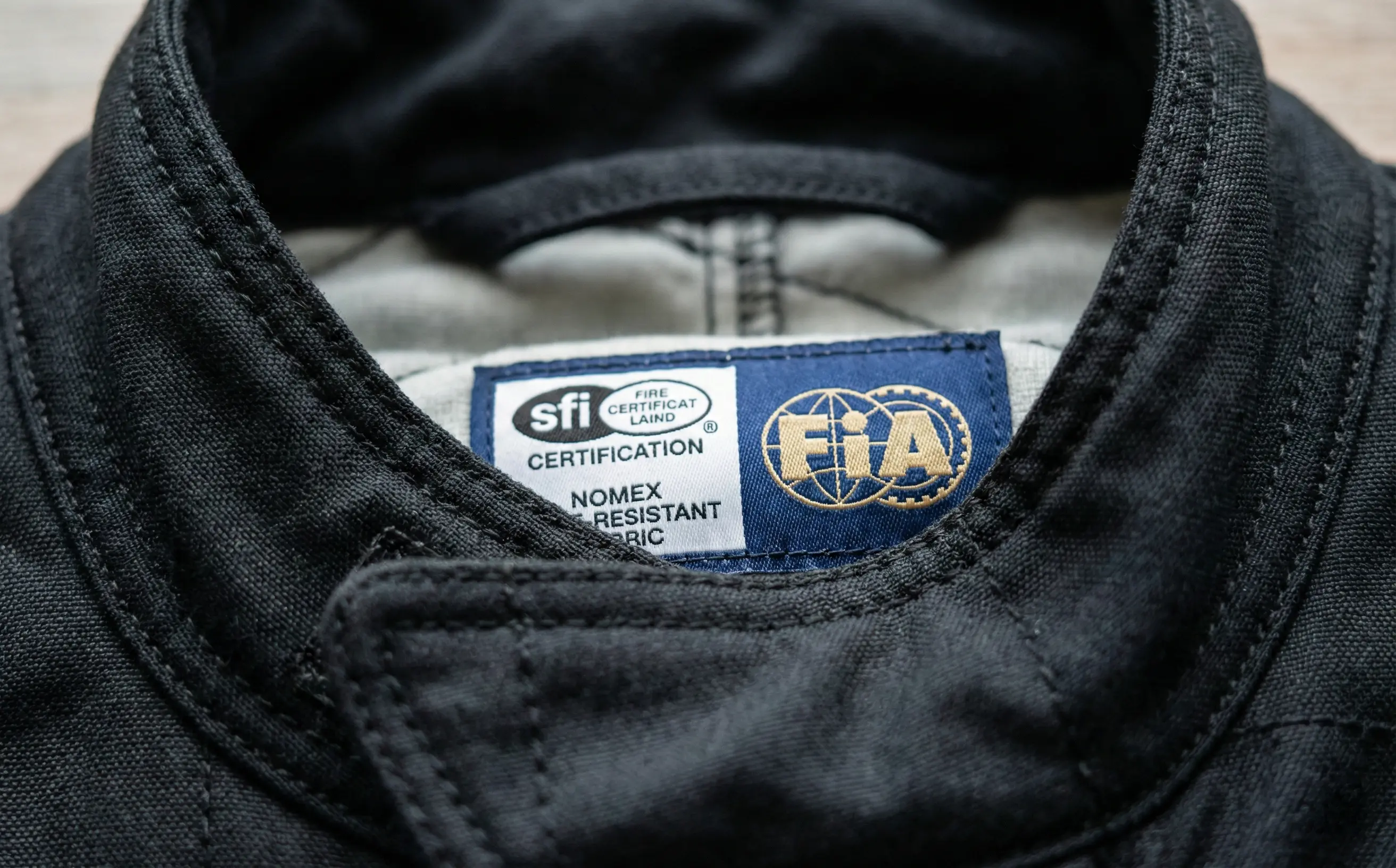
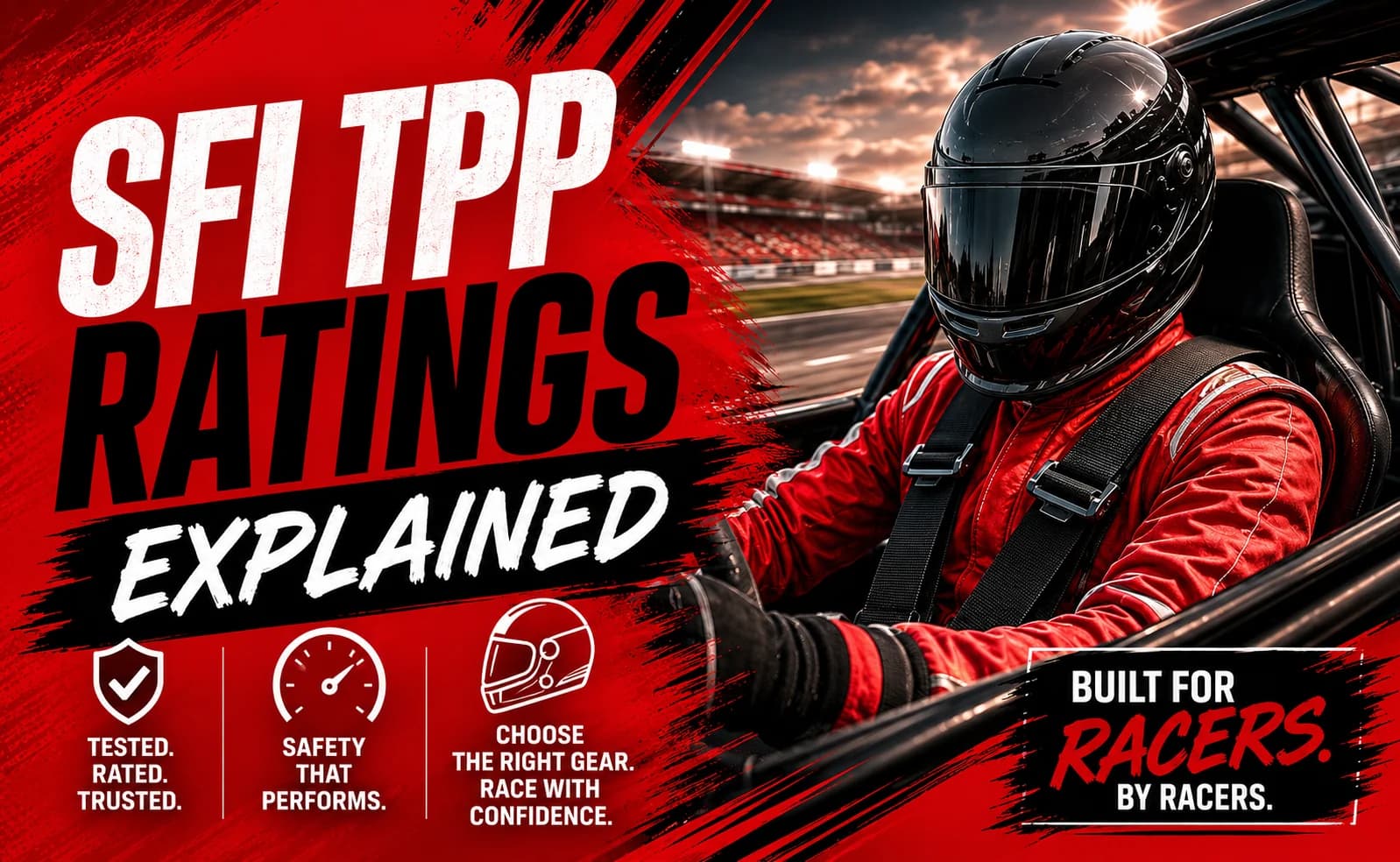
The SFI rating indicates the fire resistance level of a racing suit. Common ratings include:
- SFI 3.2A/1 — Entry level protection, lower risk racing
- SFI 3.2A/5 — Standard professional protection
- SFI 3.2A/10 to 3.2A/20 — High fire risk racing
- SFI 3.2A/40+ — Extreme fire exposure environments
Higher ratings mean more thermal protection but also more layers — which can affect weight and flexibility. Balance safety with comfort based on your racing discipline.
Step 3 — Choose the Right Material
Professional racing suits are typically made from Nomex® or equivalent flame-resistant fibers. Key material benefits:
- Self-extinguishing fire protection
- Heat insulation without melting
- Lightweight multi-layer design
- Long-term durability
Step 4 — Prioritize Fit and Comfort
A poorly fitting racing suit can impact performance and safety. Look for:
- Pre-curved arms for steering posture
- Stretch panels in shoulders and back
- Breathable inner lining
- Proper torso length
- Snug but non-restrictive fit
Custom-fit racing suits offer the best balance of mobility and protection, especially for professional drivers.
Step 5 — Consider Climate & Race Duration
Hot climates and long races demand enhanced cooling and ventilation. Choose suits with:
- Lightweight insulation layers
- Moisture-wicking liners
- Ventilated side panels
- Compatibility with cooling garments
Thermal stress reduces reaction time — comfort is a safety feature.
Step 7 — Check Certification & Compliance
Always confirm your racing organization's requirements before purchasing. Many competitions mandate:
- Specific SFI rating minimums
- Valid certification labels
- Suit condition standards
- Multi-layer construction
Never assume — always verify with your rulebook.
Final Thoughts: Invest in Safety, Performance & Confidence
Choosing the right racing suit is not just about meeting regulations — it's about protecting your life, enhancing comfort, and maximizing performance on the track. The best suit for you depends on:
- Your racing discipline
- Required SFI rating
- Climate conditions
- Race duration
- Personal comfort needs
- Level of competition
When properly matched to your motorsport, a high-quality SFI certified racing suit becomes an essential performance tool — not just protective gear. Choose protection engineered for champions.