Understanding SFI Certifications: A Complete Guide
Everything Racers Need to Know About SFI Safety Standards
In motorsports, safety is never optional — it's a requirement. From helmets and gloves to racing suits and harness systems, every piece of protective equipment must meet strict performance standards. One of the most recognized and trusted safety benchmarks in racing is SFI certification.
If you're buying professional racewear, understanding SFI ratings is essential. Whether you compete in drag racing, stock car racing, or endurance events, your gear must meet specific protection levels to keep you safe and compliant with regulations.
What Is SFI Certification?
SFI certification is a safety standard developed by the SFI Foundation Inc., an independent non-profit organization that establishes performance specifications for motorsports safety equipment.
Their role is simple but critical: they test and certify racing gear to ensure it performs reliably under extreme conditions such as fire exposure, high impact, and intense heat.
When you see an SFI label on racewear, it means the product has been tested and approved to meet strict safety performance requirements.
Why SFI Certification Matters in Motorsports
Motorsports environments expose drivers to serious risks, including fire hazards, fuel ignition, and extreme cockpit temperatures. SFI standards are designed to provide measurable protection levels so drivers, teams, and race officials know exactly how much safety gear can handle.
Most professional racing organizations require SFI-certified equipment for competition, including major series like:
- NASCAR
- NHRA
- IMSA
Without proper certification, drivers may not be allowed to compete.
How SFI Ratings Work
SFI ratings are numerical classifications that indicate how much protection a piece of gear provides. For racing suits, the most common specification is SFI Spec 3.2A, which measures fire resistance and thermal insulation.
Each rating reflects how long the suit can protect a driver from second-degree burns when exposed to direct flame. Higher numbers mean higher protection.
Common SFI Racing Suit Ratings Explained
SFI 3.2A/1 — Entry-Level Protection
- Basic fire resistance
- Used in lower-risk racing environments
- Lightweight and breathable
- Often required for grassroots motorsports
Good for beginners or limited exposure racing.
SFI 3.2A/5 — Standard Professional Protection
- Widely used across many racing categories
- Balanced fire resistance and comfort
- Multi-layer construction
- Common requirement for competitive racing
This is one of the most popular suit ratings in professional racing.
SFI 3.2A/10 to 3.2A/20 — High Fire Risk Racing
- Designed for higher horsepower vehicles
- Increased thermal insulation
- Thicker multi-layer protection
- Common in advanced motorsports
SFI 3.2A/40 and Above — Extreme Protection
- Maximum thermal protection
- Multiple heavy insulation layers
- Designed for extreme racing conditions
- Required in top-tier drag racing categories
These suits prioritize protection above all else.
Understanding TPP — Thermal Protective Performance
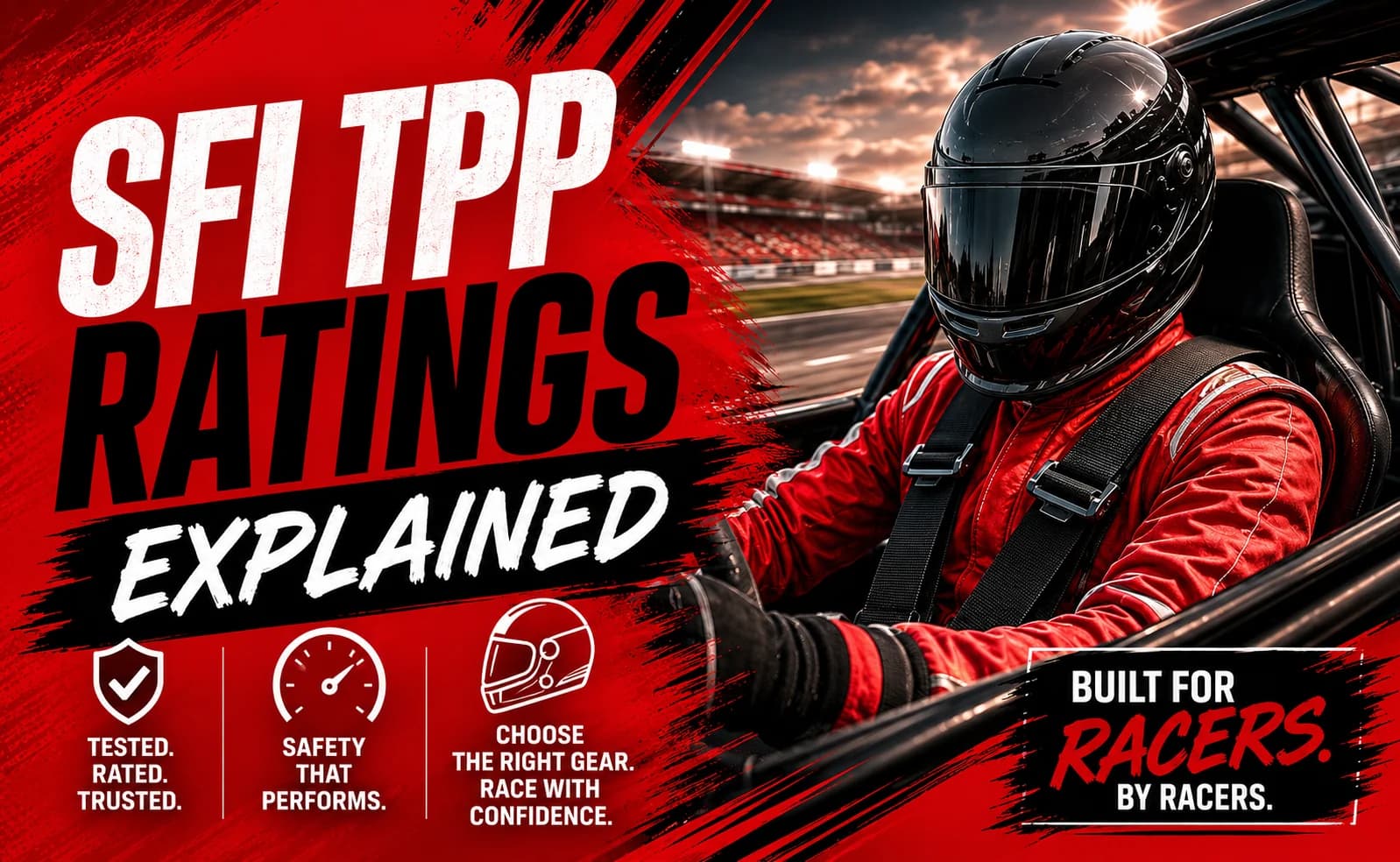
SFI racing suits are tested using a measurement called TPP (Thermal Protective Performance). TPP measures how long a material protects skin from heat transfer before injury occurs. The higher the TPP value, the greater the insulation against fire.
This scientific testing ensures every certified suit provides predictable protection levels — not just marketing claims.
SFI Certification Labels — What to Look For
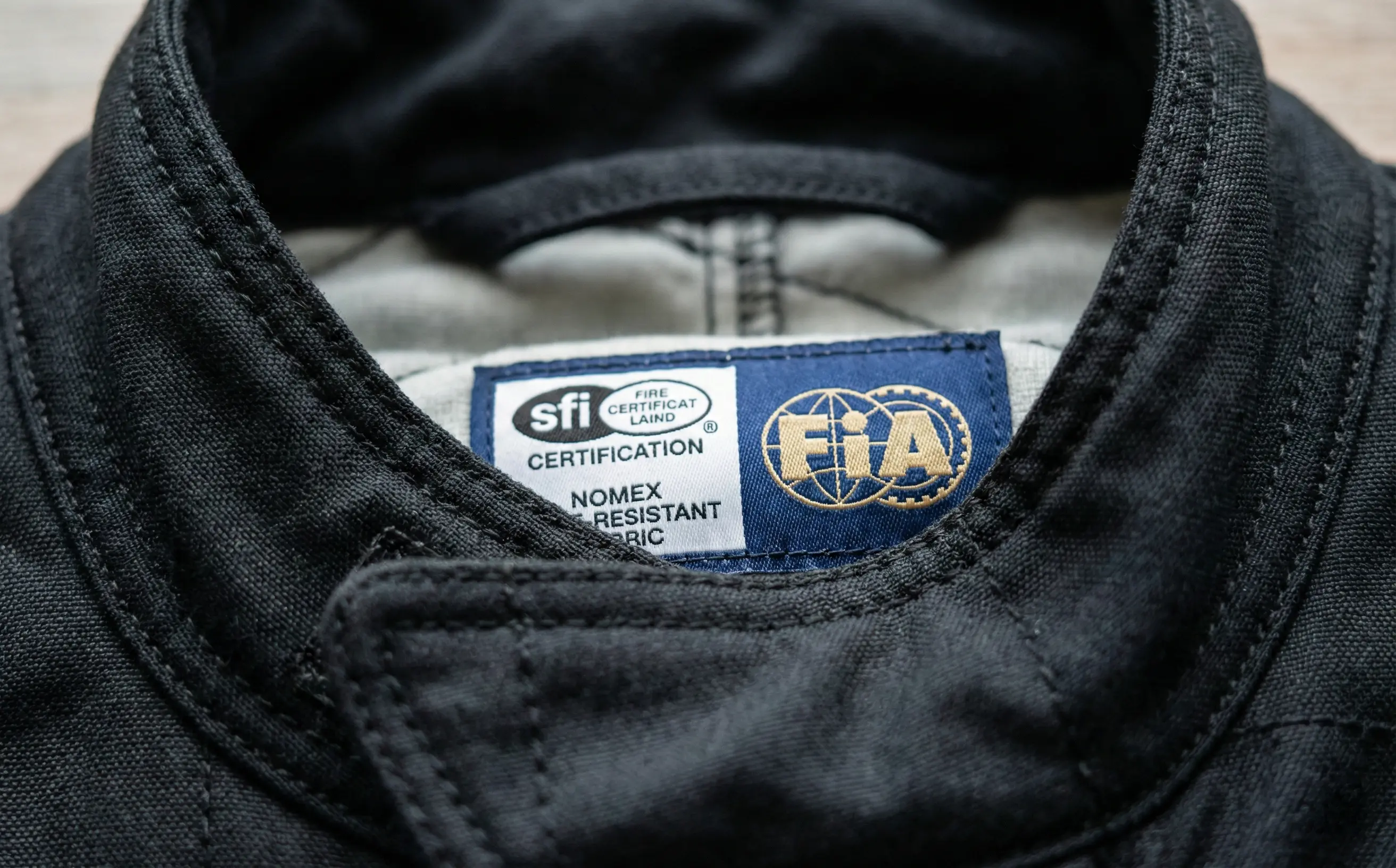
Every certified racing suit includes an official SFI label sewn into the garment. This label confirms:
- Certification specification (example: 3.2A/5)
- Manufacturer compliance
- Testing verification
- Valid certification status
Important
Always check the label before racing. If the label is missing or damaged, the suit may not pass technical inspection.
How Often SFI Gear Must Be Replaced
Safety equipment does not last forever. Exposure to heat, wear, UV light, and washing can degrade protective materials over time. Many racing organizations require periodic inspection or recertification depending on equipment type.
Best practice:
- Inspect suits regularly for damage or wear
- Replace damaged gear immediately
- Follow manufacturer lifespan guidelines
- Verify event rules for compliance periods
Never assume old gear still meets safety standards. When in doubt, replace it.
Choosing the Right SFI Rating for Your Discipline
The correct rating depends on several factors:
- Engine power and fuel type
- Fire risk level
- Race duration
- Governing body regulations
- Personal safety preference
For example:
- Local amateur racing may require SFI 3.2A/1
- Competitive circuit racing often requires 3.2A/5
- Professional drag racing may require 3.2A/15 or higher
Always confirm the minimum requirement for your class before purchasing racewear.
Benefits of Wearing Properly Certified Racewear
Choosing SFI-certified racing suits provides major advantages:
- Verified fire protection
- Regulatory compliance
- Tested performance reliability
- Professional racing eligibility
- Increased driver confidence
- Long-term safety assurance
A properly rated SFI racing suit is more than protective clothing — it's engineered safety designed to perform when it matters most. Race smart. Choose certified protection. Trust proven safety standards.